Jesus is King – A Versatile Christian Embroidery Design
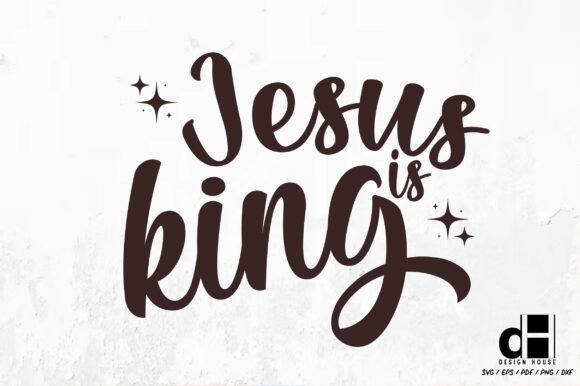
When I opened the Jesus is King design files, my first thought wasn't about the theme—it was about the silhouette. It has a confident, centered presence. This isn't a tiny, intricate emblem; it's a statement piece with a clear layout. The visual personality is bold and reverent, which immediately tells me it belongs on items meant to carry a message, not just a decorative accent.
The Kind of Project This Design Calls For
I picture this on a heavyweight cotton tote bag for a church fundraiser, or centered on the back of a premium sweatshirt. The design's mood leans toward giftable and substantial. It feels right for a personalized baby blanket or a crisp apron for a holiday gift. For small business owners, this has the recognition factor that works well for boutique merchandise—think faith-based bookshop items or Etsy listings for custom prayer pillow covers. It’s not overly delicate, which gives it a robust, commercial-ready feel.
Where This Design Shines in Real Stitching
On a practical level, the provided file formats—SVG, EPS, PDF—mean you can scale it without losing clarity, which is crucial for embroidery projects. I’d test it first on a scrap of the final fabric, like a canvas tote or a fleece sweatshirt blank. The layout suggests it will stitch out cleanly on custom apparel like t-shirts and caps, provided you use a good stabilizer for stretchy fabrics. For a handmade product like an embroidered patch, the bold lettering should maintain stitching clarity even at a moderate size.
Imagine it on a kitchen towel or nursery decor item. The theme elevates a simple object into a personalized gift. For crafters selling at fairs, this design on a well-made product adds a layer of customer trust—it looks professional and intentional, not hastily chosen.
Considerations for a Flawless Finished Product
While the design is strong, its application needs thought. On dark fabric, you’ll need to plan thread color contrast carefully; a white or gold satin stitch for the lettering would be striking. Be cautious with very small hoop sizes. If you reduce it drastically for a baby item cap, the density might become too packed. Always check the actual stitch density in your software before committing.
Textured fabrics like some blankets can obscure clean edges, so a slightly higher stitch length might help. On curved surfaces like caps, the design’s central composition should adapt well, but confirm the hoop size compatibility with your machine. For products needing frequent washing, like apparel, ensure your stitch coverage is solid to prevent premature wear.
A Real Scenario: Crafting a Boutique Tote Bag
Let’s walk through a real case. I’m preparing a custom embroidered tote for a small shop’s spring collection. I load the Jesus is King SVG file, scale it to fit nicely on the bag’s front panel, and output a black-and-white mockup first. This helps visualize the final embroidered patch effect. I choose a rich navy thread for the fill stitch on a natural canvas bag. The result is a clean, high-value item that feels both handmade and professional. A customer sees it and immediately understands the product’s purpose—that’s the visual appeal and brand consistency this design supports.
Designer Notes for a Successful Embroidery Project
Before you stitch this for a client or your craft business, here are my practical notes.
- Always test on scrap fabric first, matching the final fabric’s texture and weight.
- Review the stitch density in your embroidery software; adjust if areas look too dense for fine fabrics.
- Check thread color contrast for both light and dark fabric backgrounds—what works on a white tea towel may vanish on a black sweatshirt.
- Use the proper stabilizer for the project; a tote bag needs less than a stretchy t-shirt.
- Inspect the small details in the lettering when scaled; tiny serifs can get lost.
- Consider creating printable mockups with the PDF for your Etsy listings or digital product previews.
- Most importantly, confirm the licensing terms for this digital embroidery file. The product listing states it’s from “design house,” but you must verify whether it’s cleared for commercial embroidery and selling finished items, or only for personal projects.
This Jesus is King design file is a straightforward, impactful asset. Its strength is in its clear application to products that benefit from a strong thematic statement. For embroidery designers and makers, it reduces the layout guesswork and provides a solid foundation for a range of finished products. Approach it with a practical eye for fabric and scale, and it will stitch out as a reliable, engaging piece for your embroidery project lineup.