Evaluating Give Cancer the Boot Breast Cancer SVG for Embroidery
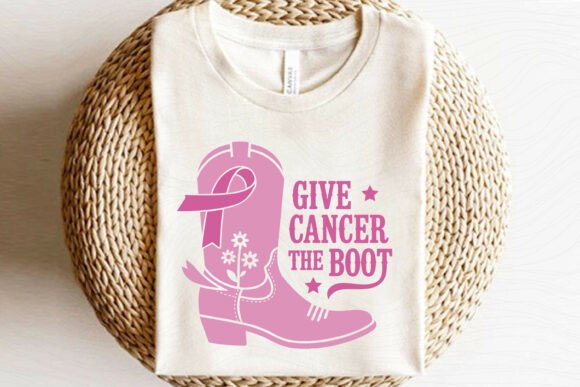
When a new design lands in my studio, I look at it not just as a graphic, but as a blueprint for a physical, stitched object. The Give Cancer the Boot Breast Cancer SVG arrives with a clear and powerful intent. My first impression is that it’s bold and direct—the boot iconography is instantly recognizable and carries a defiant, hopeful mood. This isn’t a subtle, floral motif; it’s a statement piece meant to convey solidarity and strength. For embroidery, that translates into a design that needs to be clean and crisp to carry its message effectively.
The Natural Home for This Design on Fabric
Immediately, I picture this design on a canvas tote bag or the chest of a heavyweight sweatshirt. The bold silhouette of the boot would stand out beautifully on these textured, sturdy surfaces. I’m thinking about a client who wants to create items for a breast cancer awareness fundraiser—embroidered caps for volunteers or custom pillow covers for a charity auction. The design’s straightforward layout, with its clear focal point, means it won’t get lost or become overly intricate when translated into stitches. It feels like a design built for community and purpose, perfect for crafters creating items for small shop merchandise, Etsy listings, or personalized gifts for someone going through a journey.
Where It Shines and Where to Exercise Caution
In real-life embroidery situations, this Give Cancer the Boot Breast Cancer SVG would perform well on stable fabrics like cotton twill for aprons, denim, or quilted kitchen towels. The solid shapes are ideal for clean satin stitch borders or a confident fill stitch in the boot itself. However, this is where practical judgment kicks in. On thinner or stretchy fabrics, like a standard t-shirt, the density needed for that bold look could potentially weigh down the fabric or cause distortion. It’s a design I’d recommend stabilizing very carefully.
Another consideration is scale. This design’s power comes from its impact, so I wouldn’t automatically shrink it down for a tiny hoop on a baby bib or a delicate blouse. The lettering, depending on its exact size in the file, needs space to remain legible after stitching. A curved surface like a cap brim could work, but you’d need to test the file’s orientation and ensure the details don’t get compressed on the curve.
The Stitched Result: Visual Appeal and Customer Trust
From a product value perspective, a well-executed embroidery of this design on, say, a tote bag, elevates it from a simple craft to a meaningful handmade product. The clarity of the message, rendered in solid thread, builds instant recognition and emotional engagement. For a small business owner selling awareness-themed items, that clarity directly supports professionalism and brand consistency—you’re offering a product that looks intentional and well-made.
When a customer sees this design embroidered on a holiday gift or a boutique product, the quality of the stitching speaks volumes. Fuzzy, unclear edges on the boot or blurred text would undermine the defiant mood the graphic intends to create. Conversely, a sharp, clean embroidered result reinforces trust and enhances the giftability of the item. It shows care, from the digital design asset to the finished product.
A Real Scenario: Preparing a Custom Embroidered Sweatshirt
Let’s walk through a typical scenario. I’m preparing a custom embroidered sweatshirt for a client who wants to gift it to a friend. I’ve loaded the Give Cancer the Boot Breast Cancer SVG file. My first step, always, is to test it on a scrap of similar fabric—a heavyweight cotton-polyester blend. I’m checking thread color contrast. The provided black version gives a clear path, but on a dark navy sweatshirt, I might consider a silver or white thread for maximum impact. I’m reviewing the stitch density in my software preview; I want to ensure the fill areas aren’t so dense that they make the fabric stiff.
I confirm my hoop size—this design likely needs a medium to large hoop to preserve detail. I inspect the small details, particularly around any text or the boot’s outline. Then, I stitch the test piece. This tells me everything: how the fabric reacts, whether the stabilizer I chose is sufficient, and how the design feels as a physical object. Only then do I proceed to the actual garment. This process is non-negotiable for any serious embroidery project, whether for personal use or commercial embroidery products.
Practical Notes for Embroidery Designers and Makers
Working with this design, my advice is grounded in real project use. Always test first. Check your thread colors against your final fabric—don’t assume black on black will work. Compare how the design looks in both light and dark fabric mockups; sometimes a design needs a slight outline adjustment for different backgrounds.
Use a proper stabilizer suited to your fabric; a statement design like this deserves a solid foundation. Since the product description notes PNG files, remember these are graphics, not direct embroidery files. You or your software will need to convert this SVG/PNG into a usable embroidery file format, setting your stitch types, densities, and order. This is a crucial step that affects the final look.
Finally, a key point for digital product sellers and craft businesses: the description mentions use for yourself, friends, family, or special occasions. It is essential to confirm the licensing terms directly with the seller before using this design to create items for commercial sale. Never assume. Clarifying this protects your business and respects the designer’s work.
The Final Verdict for Your Project
The Give Cancer the Boot Breast Cancer SVG is a design with a strong, clear purpose. Its visual personality is confident and supportive, making it a natural fit for embroidery projects meant to convey solidarity and hope. It belongs on sturdy, showcase items like tote bags, sweatshirts, and patches. With careful testing and attention to fabric choice, stabilizer, and scale, it can produce a beautifully impactful embroidered product that adds real value to a handmade gift, a craft fair table, or a small shop’s collection. Approach it with the practical mindset of an embroidery designer—test, adjust, and stitch with intention—and it will deliver a result that honors both the craft and the message.